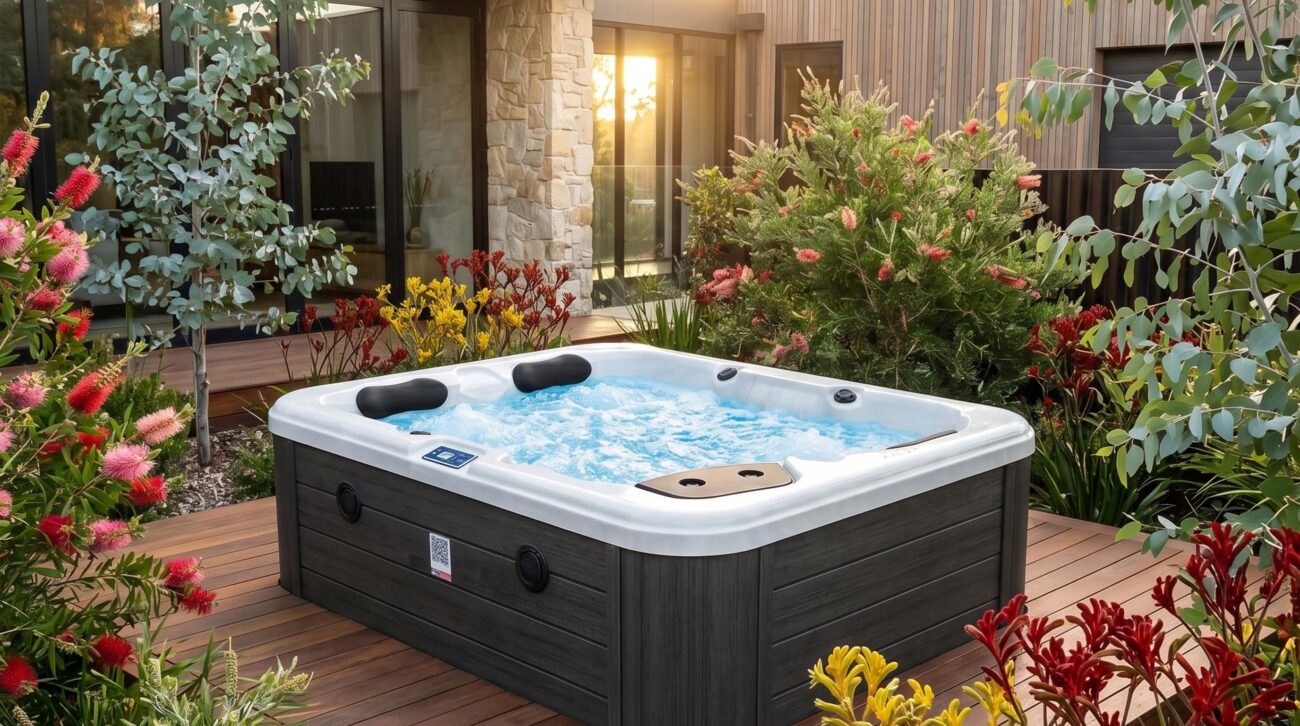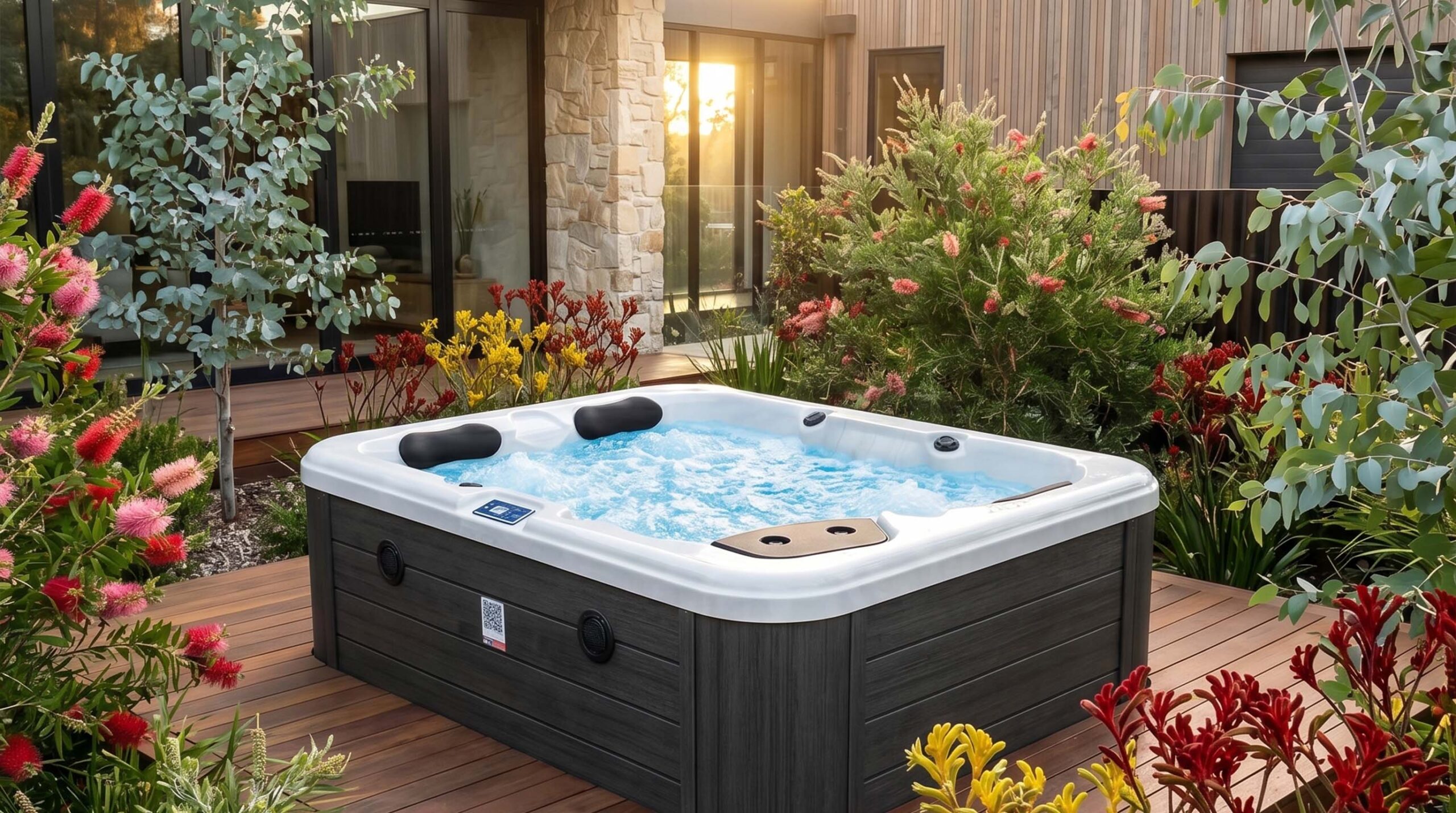
Consistent maintenance helps a swim spa stay comfortable, efficient and ready to use. The exact routine depends on the model, water-care system, local water quality, climate and frequency of use. Always follow the product manual and the instructions supplied with approved water-care products.
Small observations are useful. A weak jet, persistent foam or an unexpected change in water clarity can indicate that the water balance, filter or circulation system needs attention.
Test the water on a regular schedule and whenever use increases. Check the parameters specified by the manufacturer and local water-care guidance, which commonly include pH, sanitiser level and total alkalinity. Adjust one parameter at a time and allow the water to circulate before retesting.
Do not mix chemicals together or add products without reading their labels. Store them in a dry, ventilated and secure place away from children, heat and direct sunlight. If the water remains cloudy or develops a strong odour despite normal treatment, pause use and diagnose the cause rather than repeatedly adding more chemicals.
Rinse filter cartridges according to the usage level and the manual. Oils, cosmetics and fine debris can restrict flow before a filter appears visibly dirty. Periodic deeper cleaning may be required with a product suitable for the cartridge material. Replace damaged or worn cartridges rather than trying to extend their service indefinitely.
When reinstalling a filter, confirm that it is seated correctly and that no debris has entered the housing. Never operate equipment in a way that conflicts with the manufacturer’s safety instructions.
A clean, correctly fitted cover reduces debris and protects the water when the spa is not in use. Remove dirt with a method approved for the cover material, check seams and straps, and avoid placing heavy objects on top. Water pooling, damaged foam or a poor seal should be addressed promptly.
Wipe the cabinet with a non-abrasive product recommended for its surface. Keep vents and service panels clear. If the spa is built into a deck, make sure maintenance panels can still be removed without dismantling the surrounding structure.
Clean the waterline before residue becomes difficult to remove. Check that jets are open and flowing evenly, and keep suction fittings free of obstructions. Never use the spa if a safety fitting is missing or damaged. A qualified technician should assess leaks, electrical faults, repeated error codes or equipment that overheats.
Water-change frequency depends on bather load, water balance and the system design. Follow the manual rather than using a universal interval. When draining is required, confirm where the water may be discharged locally and protect pumps and plumbing during refilling and restart.
In cold climates, maintain the unit according to its winter-use instructions or have it professionally winterised. Simply draining the visible water may leave water inside pipes and equipment. In hot climates, monitor cover condition, ventilation and water temperature during long periods of low use.
Record test results, chemical additions, filter cleaning, water changes and service visits. A short log makes patterns easier to spot and provides useful information if technical support is needed.
For product-specific care instructions, refer to the manual supplied with your spa. If you are planning a new installation, browse our spa and swim spa range or contact WaySwimSpa for project guidance.
No account yet?
Create an Account